Bury New Road
The Bury New Road Heritage Project aims to unearth the magic on the A56, which runs from Chetham’s Library, through Strangeways, up to Prestwich Village and beyond, via the boundaries of Manchester, Salford and Bury in England…
Friedrich Engels, Mark E Smith, John Cooper Clarke, Celia Birtwell, Mike Leigh, George Best, Shirley Baker, the Jacobites, New Order, Graham Gouldman, Bugzy Malone, Nico, John Dee, David Beckham and the other Manchester United Class of ’92s are just a few of the characters who have major connections with the Road…while The Chartists, the Artisan Naturalists, the world’s first DJ and the Strangeways Riots also happened along the way.
This large project, initially supported by the Heritage Fund, Granada Foundation, Mary Monson Solicitors and the three borough councils, celebrates some amazing culture and asks ‘Why here?’
Louise Garman: Resident Artist. Throughout the Bury New Road Project, Louise Garman has been the resident artist, producing her own interpretations of the sites and psyches in collage and photography resulting in two solo exhibitions, while also working with groups in the community…

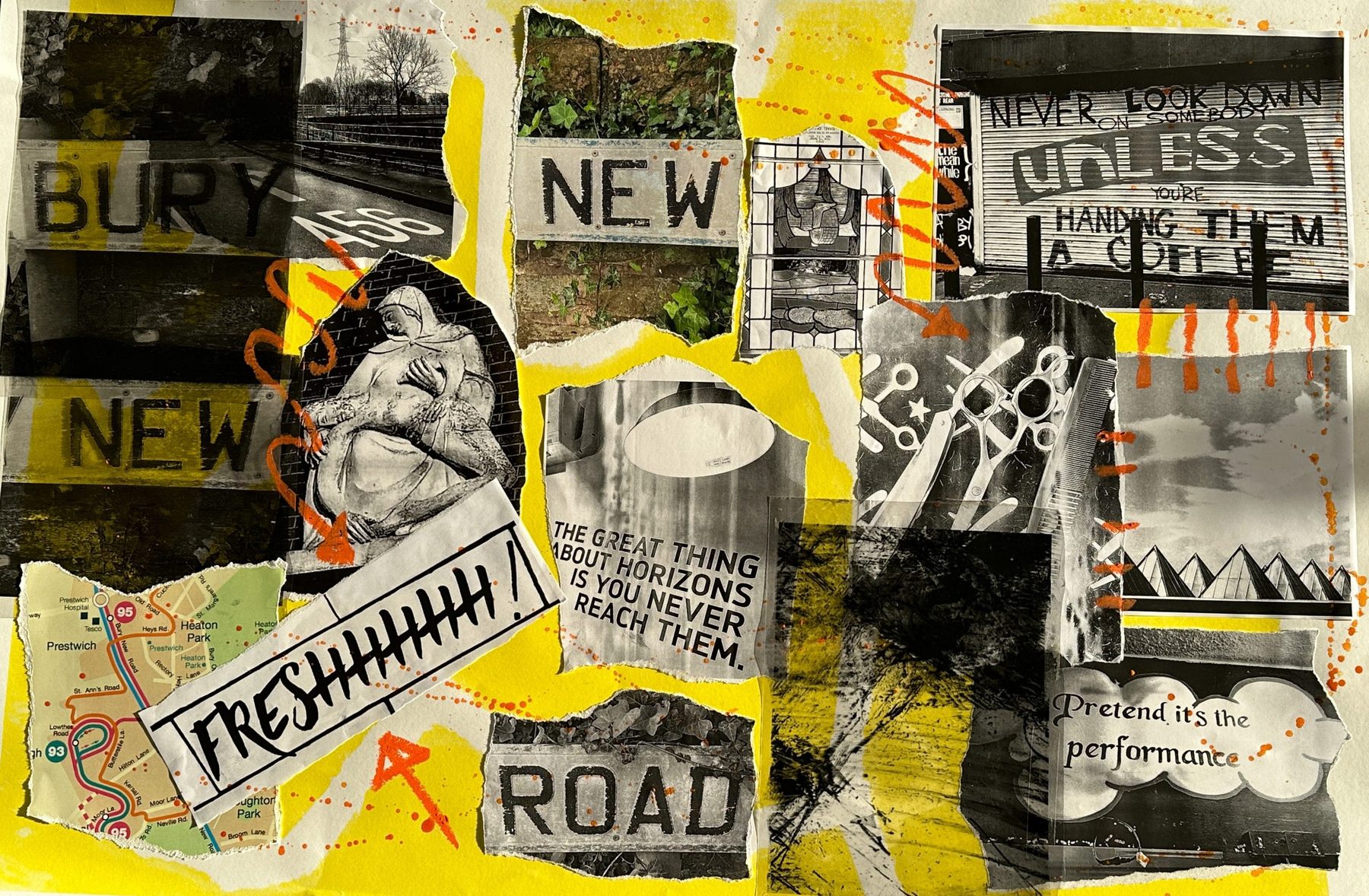
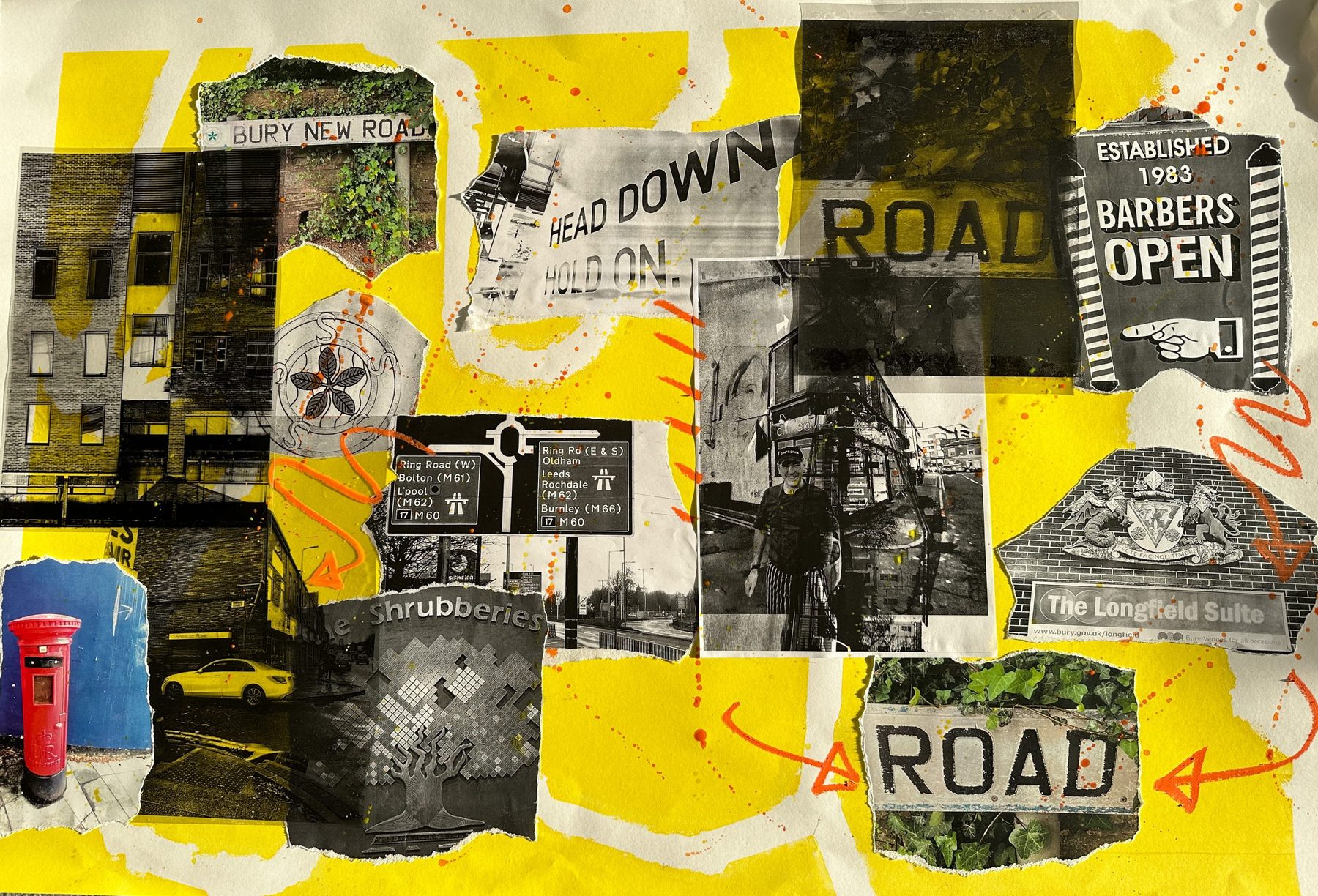
Louise created three collages of ripped photos, paint and pen on canvas, showing an array of sites along the Road. They were displayed first at her solo Portraits exhibition in Prestwich, later at the Bury Festival of Arts at Bury Museum and Art Gallery, and in cafes and bars in Manchester.
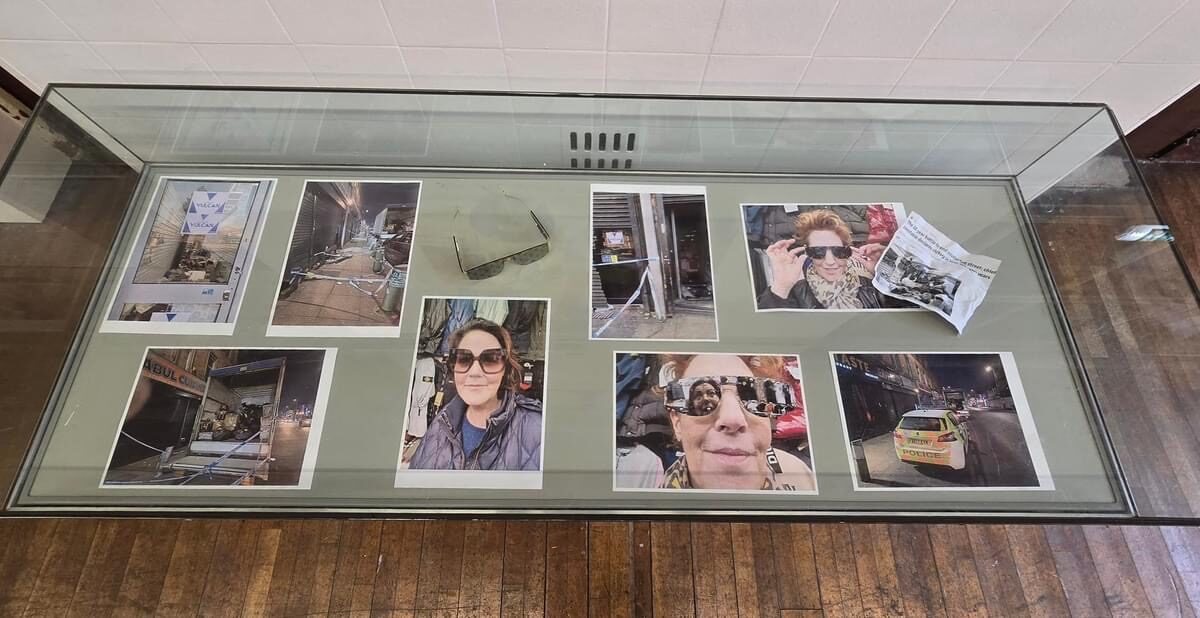
Louise Garman and fellow artist Sandra Bouguerch were commissioned to produce a non-judgemental heritage artwork on what the media at the time were dubbing ‘Counterfeit Street’, due to the amount of openly fake goods being sold along the Road.
They were given a budget of £100 to spend on counterfeit goods, and bought a ‘Gucci’ belt, a pair of ‘Yves Saint Lauren’ sunglasses, an ‘Off-White’ ‘Sculpture’ handbag, and a ‘Christian Louboutin’ handbag…
Shortly after the buying spree the police raided all the shops in what was called Operation Vulcan, and confiscated huge amounts of stock, shutting down the illicit trade. The police tape used in the installation was actually taken from one of the raid sites.
“What is the value of the goods?” asks Louise. “The base value is that the copy goods are the ‘cheapest’ – they’re copies worth the hundred quid that we spent…but the original goods, if you look them up, are worth £2,740 – and if you put our purchases in a gallery and elevate them on plinths, who knows what the value of those are. It’s a play on values as well…”
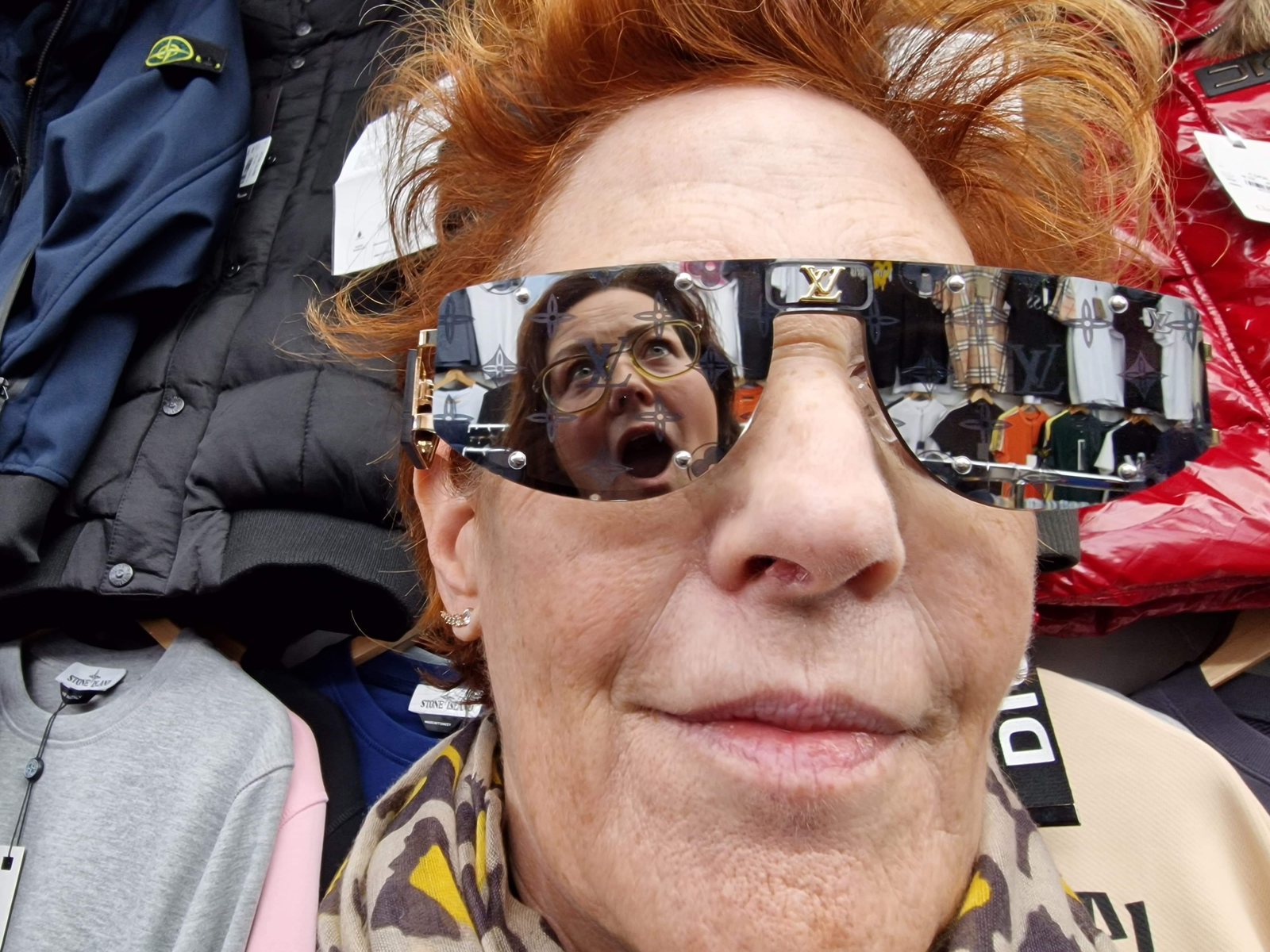
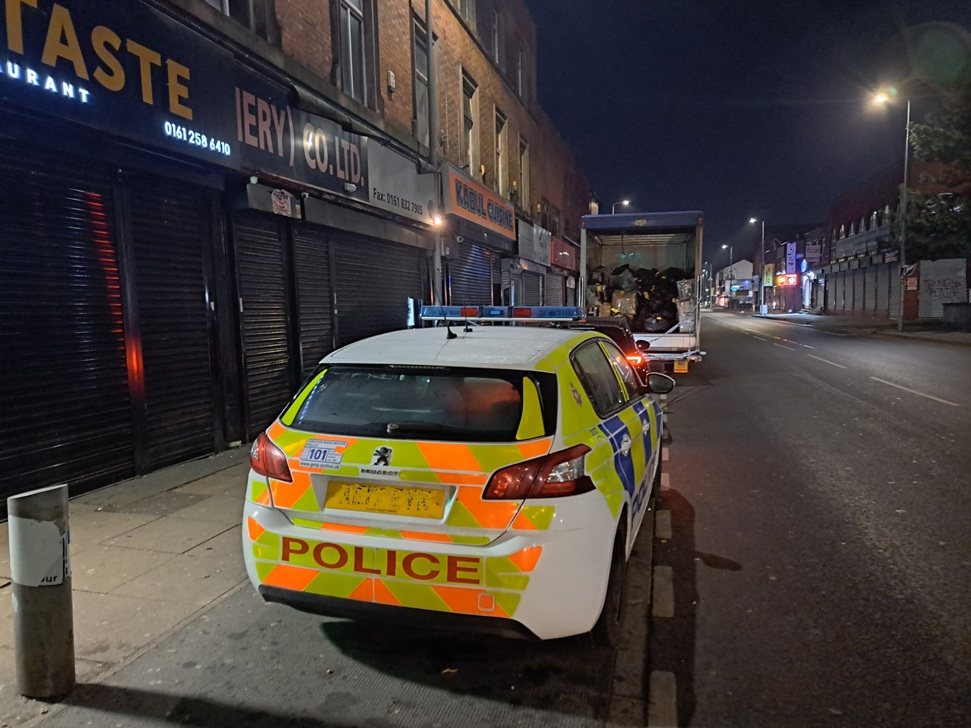
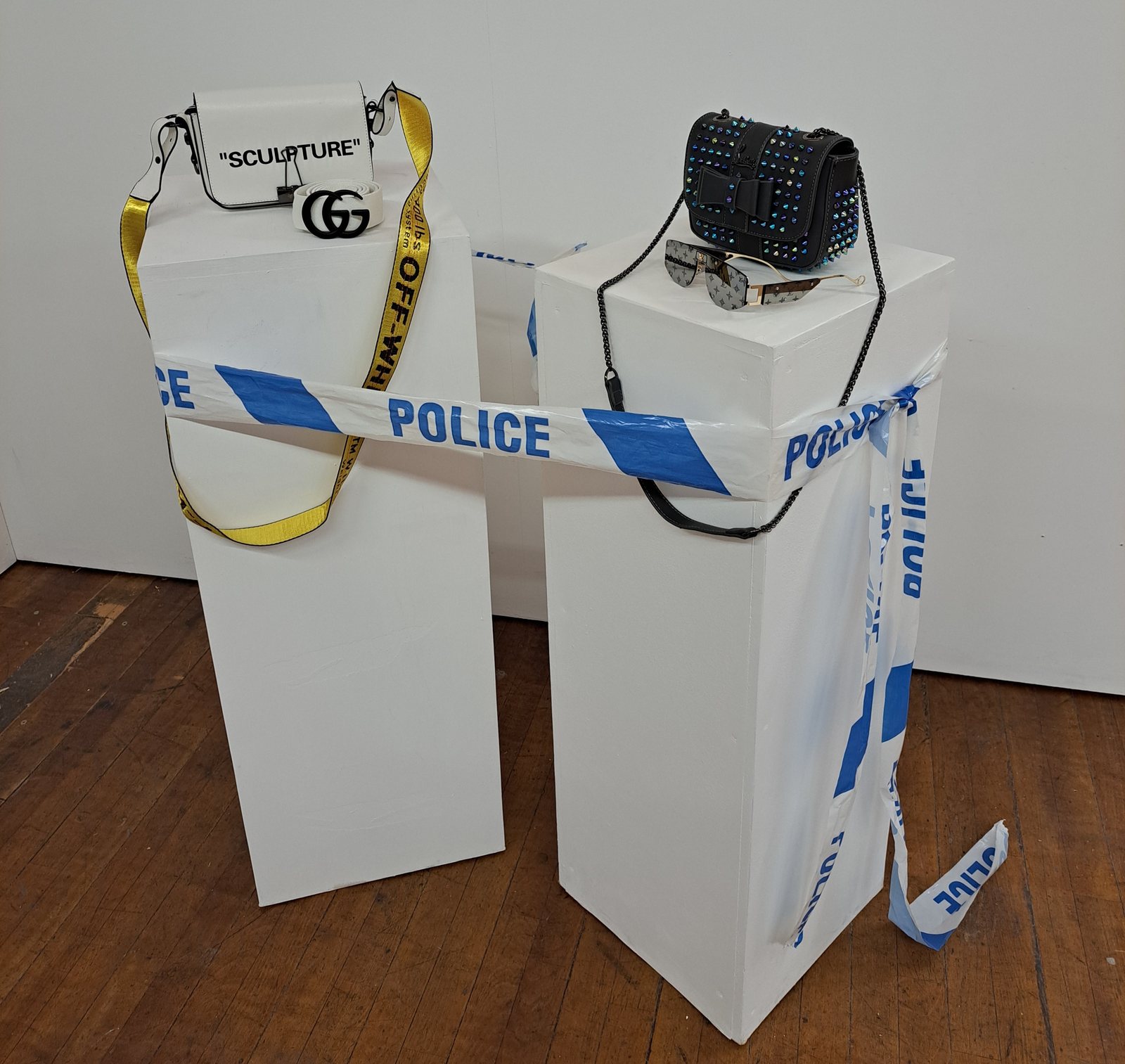
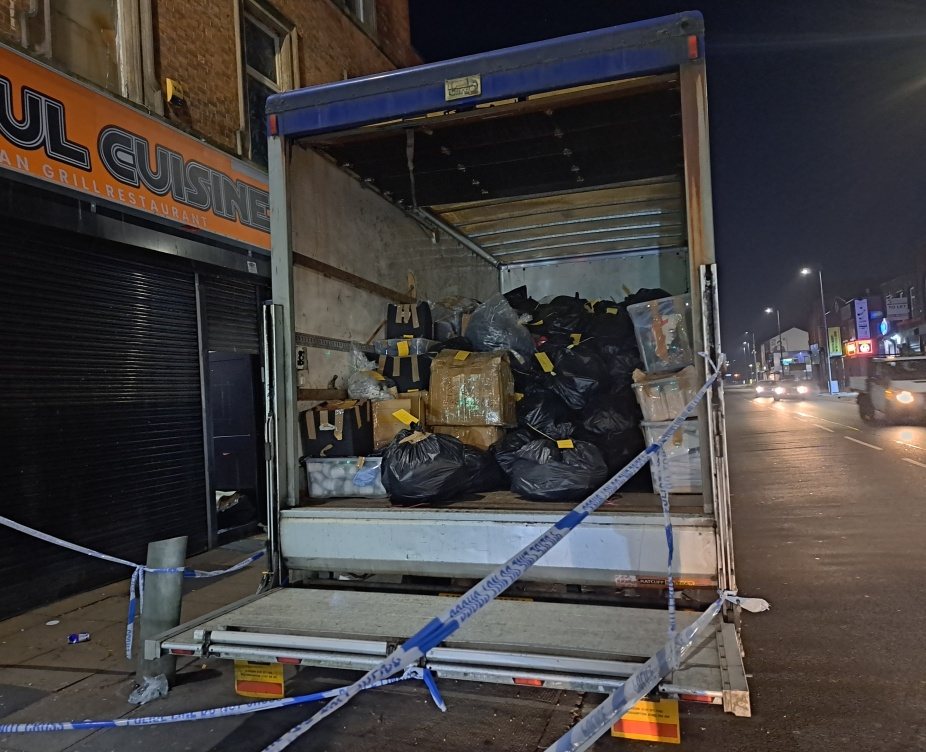
First exhibited at Rogue Gallery, Manchester.
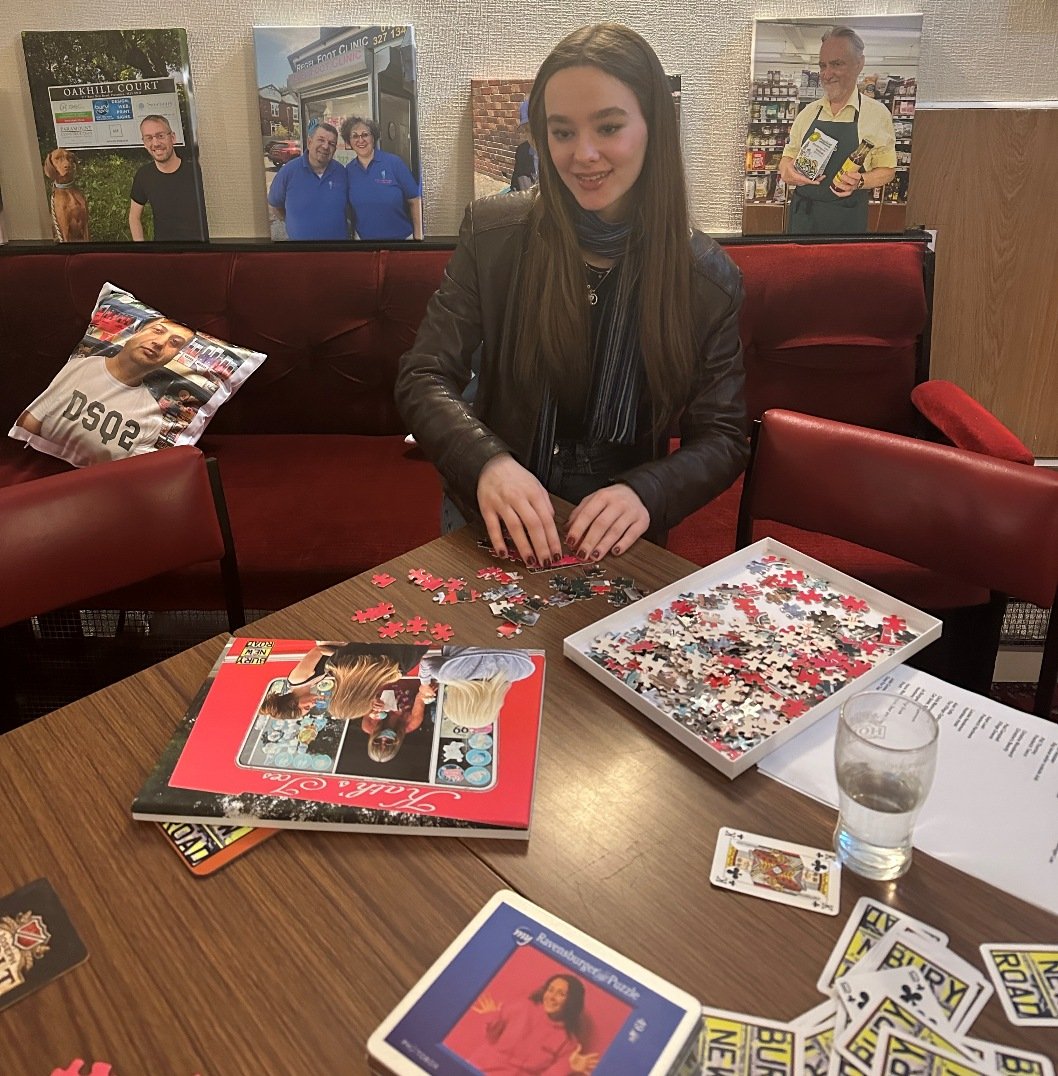
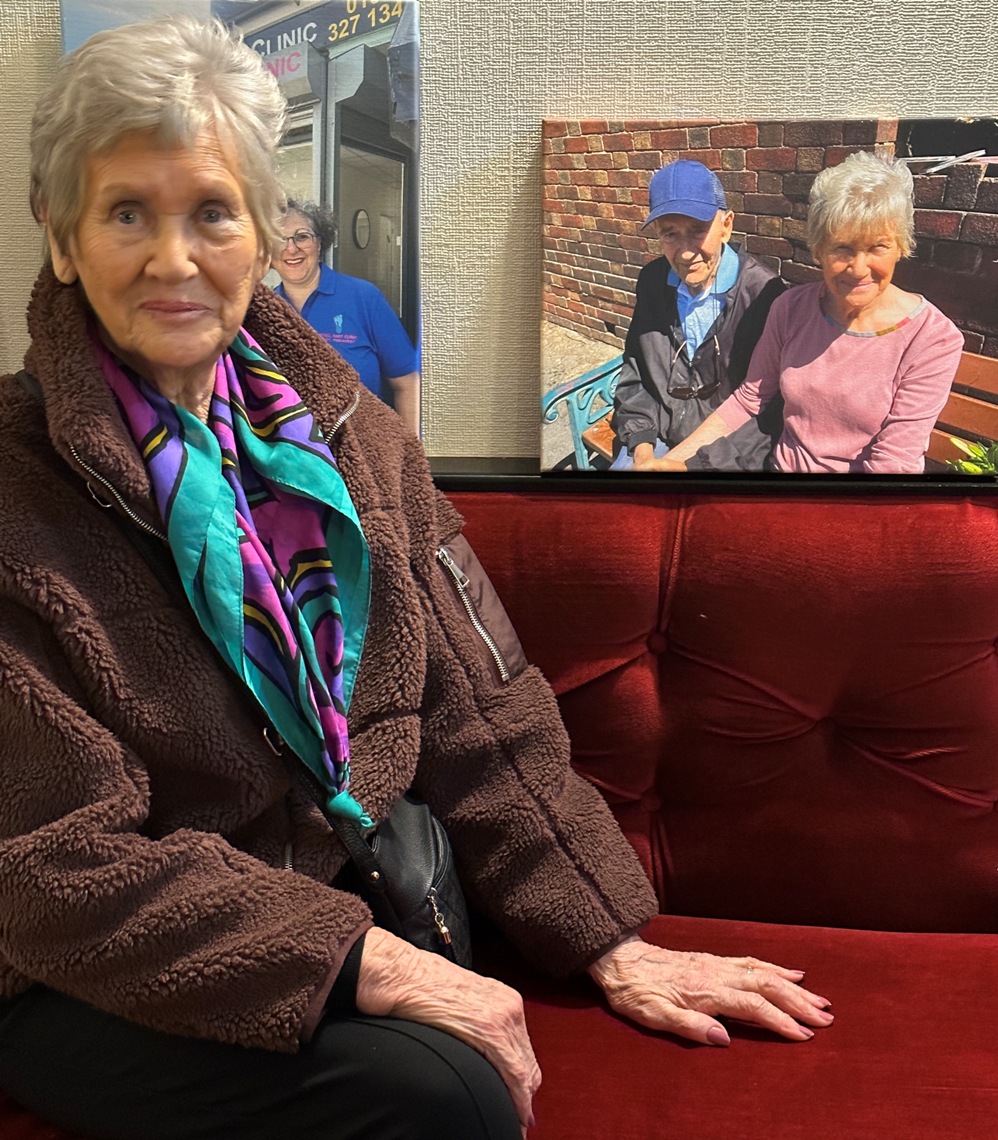
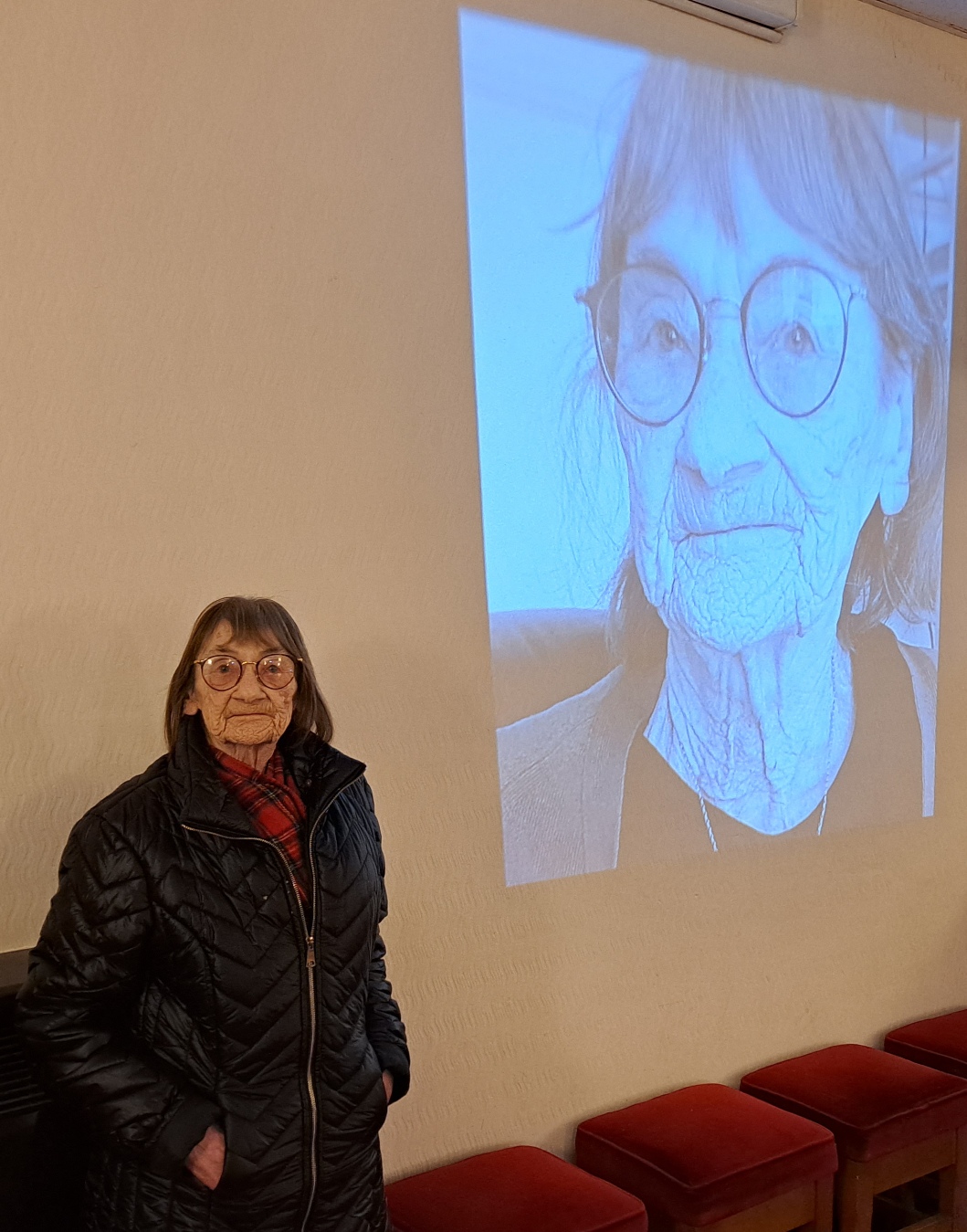
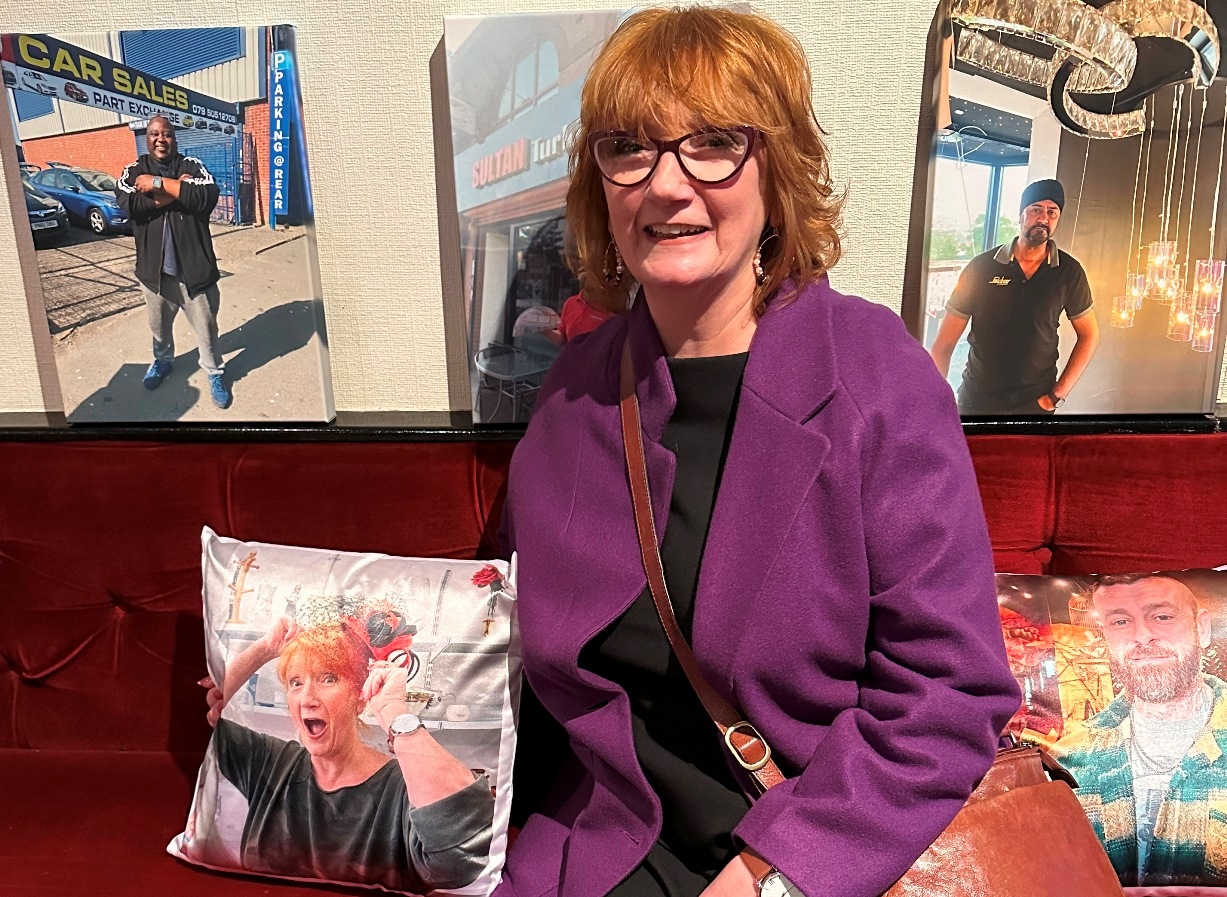
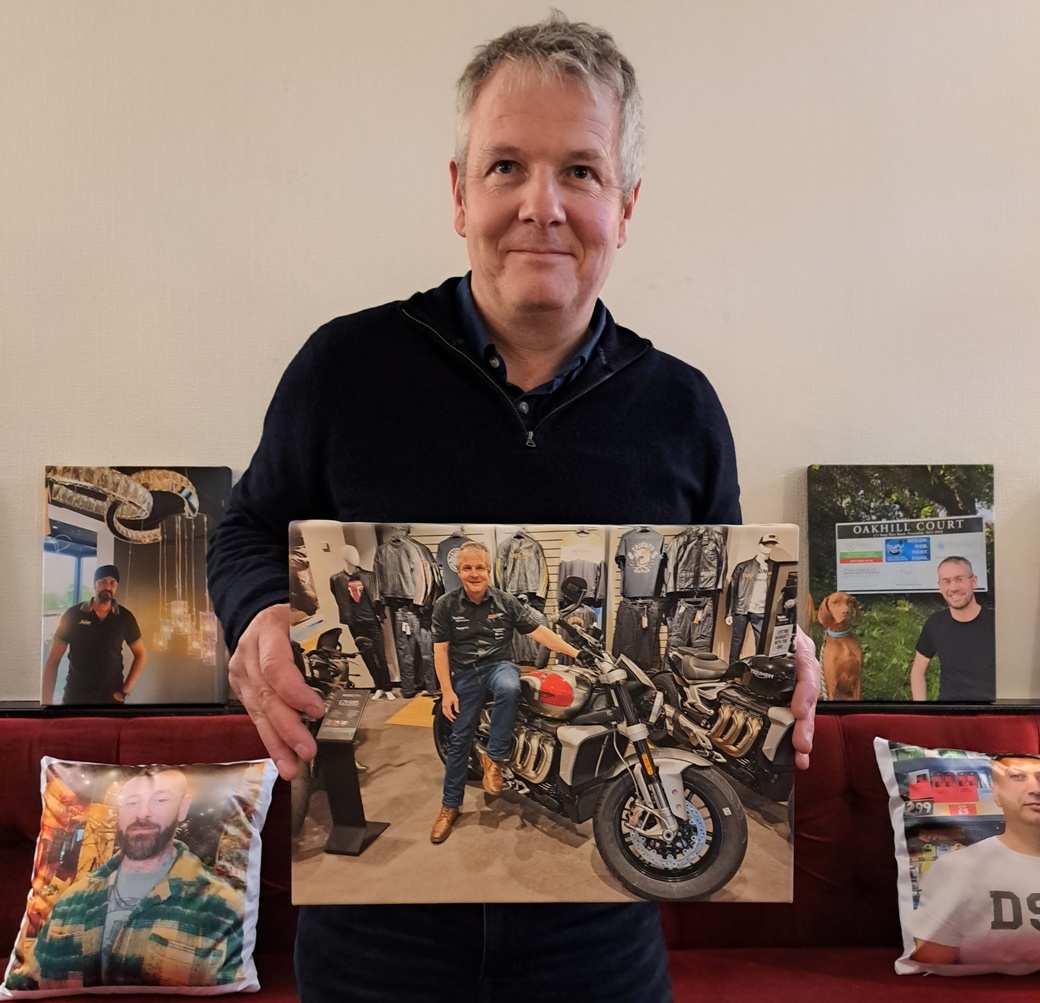
Throughout the first year of the project, Louise was commissioned to produce fifty portraits of people along the Road, ranging from clergymen to fire fighters to shop workers, business owners and people who lived and walked locally.
The portraits, deliberately focussed as ‘snapshots’ of a moment in time, were first exhibited as part of the Bury New Road Festival, and subsequently exhibited at the Prestwich Church Institute in a solo show. The building, over one hundred years old, could not sustain pictures being hung on the walls, so Louise’s images, including the Bury New Road logo, were reproduced on playing cards, drinks coasters, cushions, jigsaws and video, as well as self-standing canvases. The two day exhibition drew hundreds of visitors.
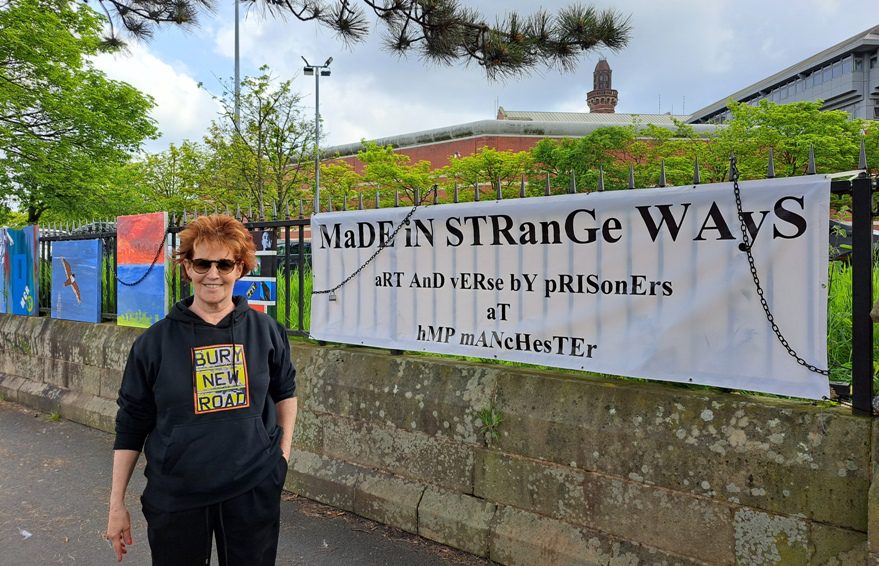
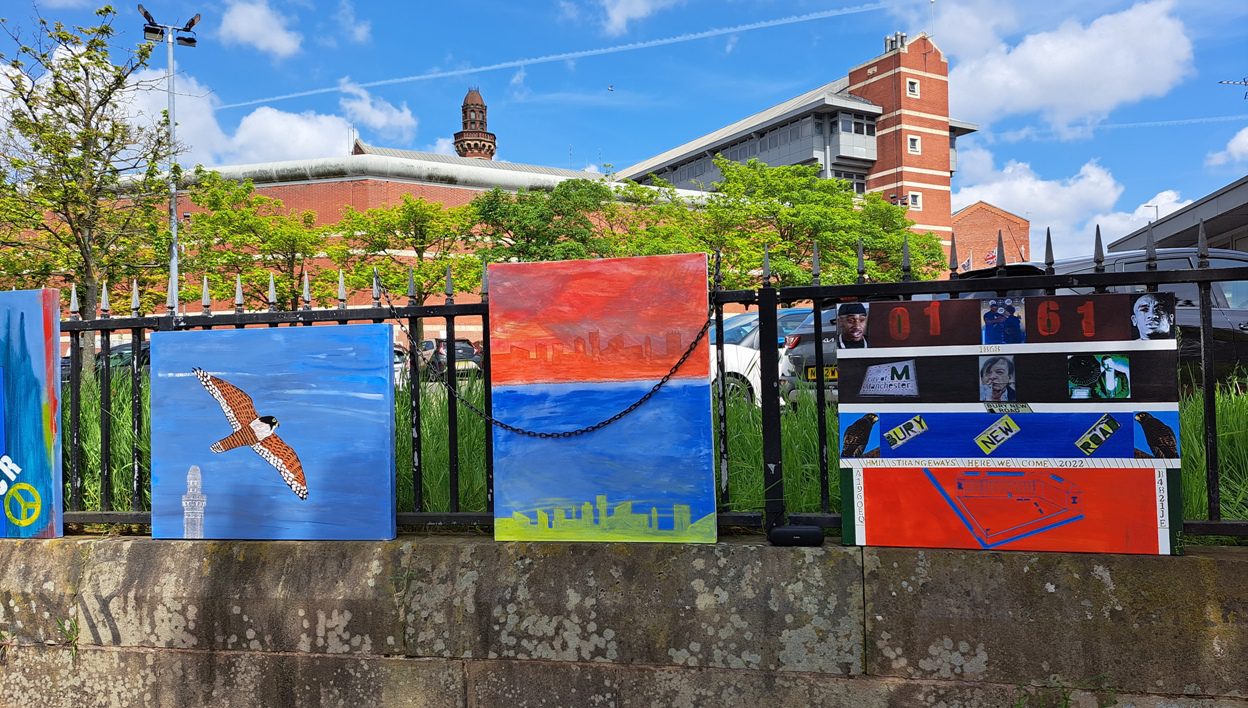
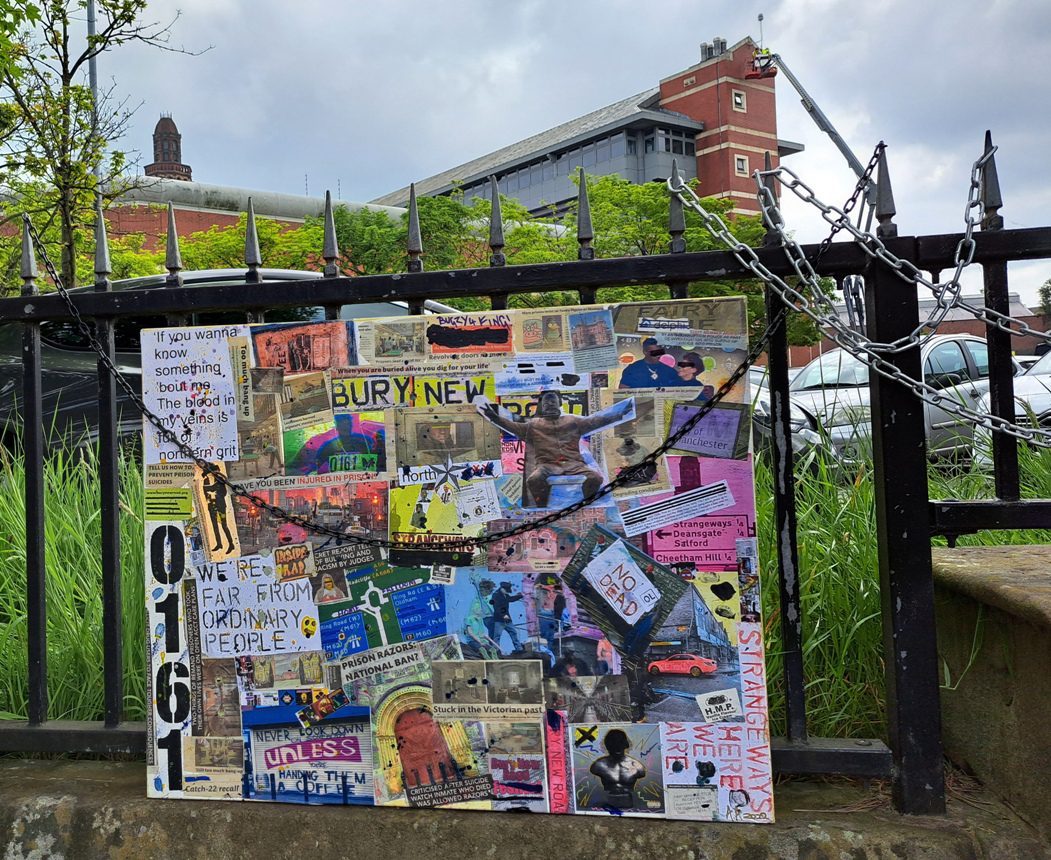
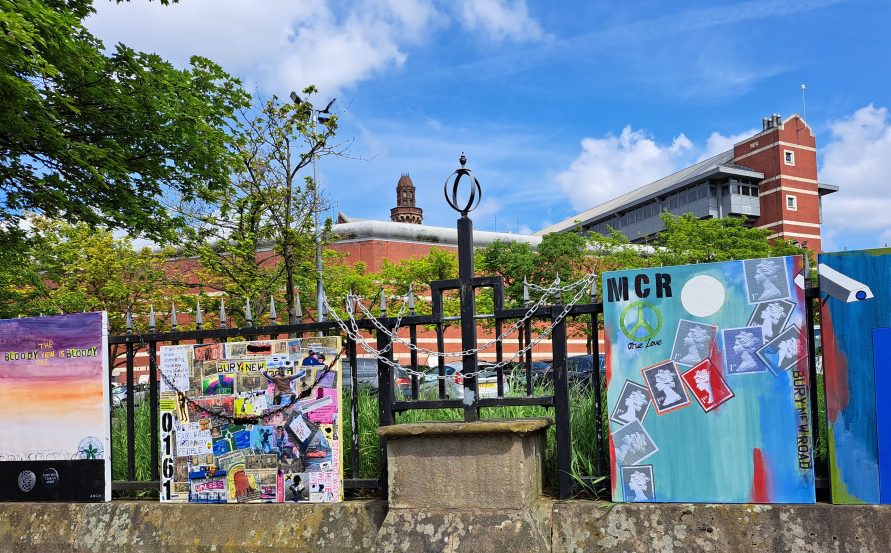
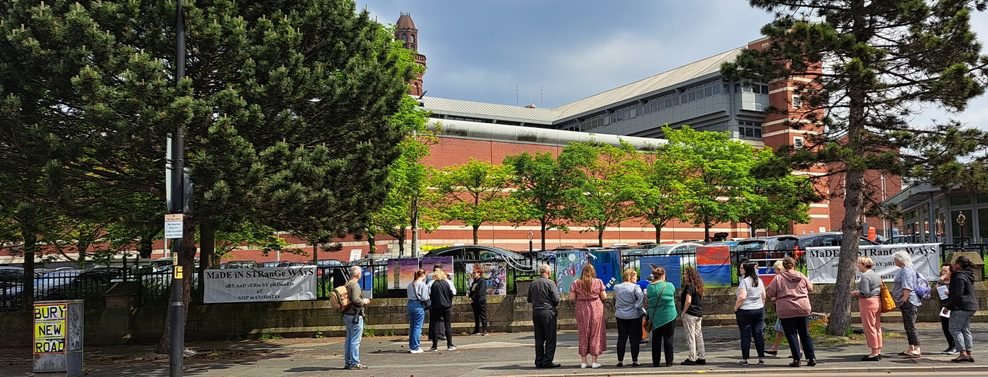
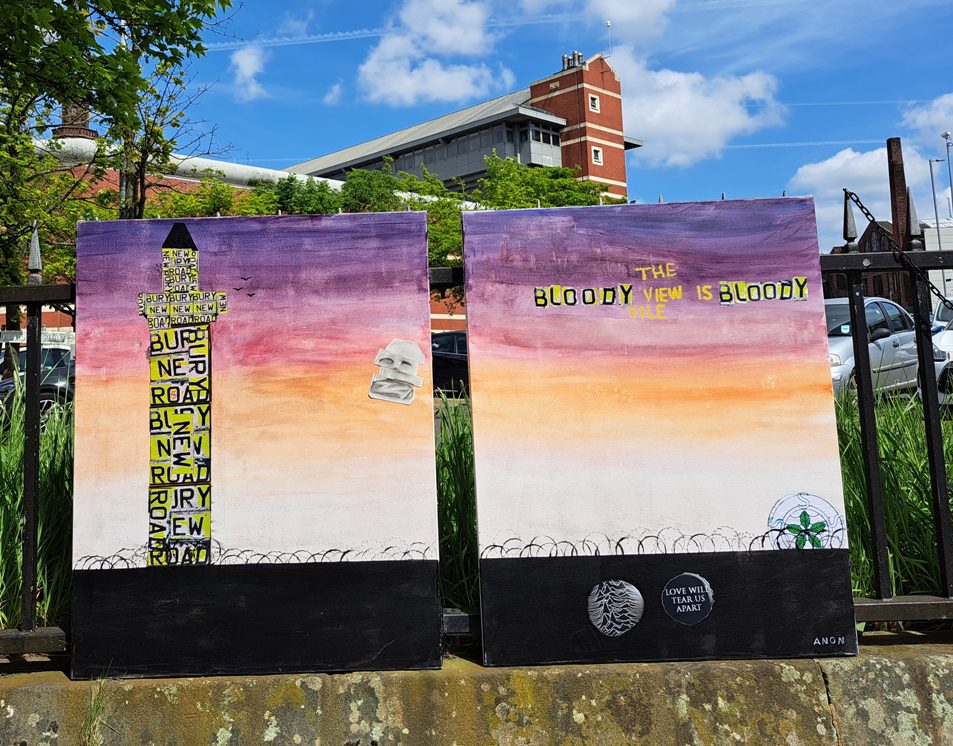
Louise worked with long-term inmates at HMP Manchester for six sessions within the prison workshop, and nine stunning canvases were created expressing their feelings on the relationship between the jail and the over busy Road in its shadow.
The artworks centred around the culture of the Road, with icons including Bugzy Malone, John Cooper Clarke, Mark E Smith, William Grimshaw (the world’s first DJ) and Joy Division all featured on the canvases.
The canvases were subsequently exhibited for two hours only, chained to the railings of the prison that fronts Bury New Road, titled Made In Strange Ways…
First exhibited at Rogue Gallery, Manchester.
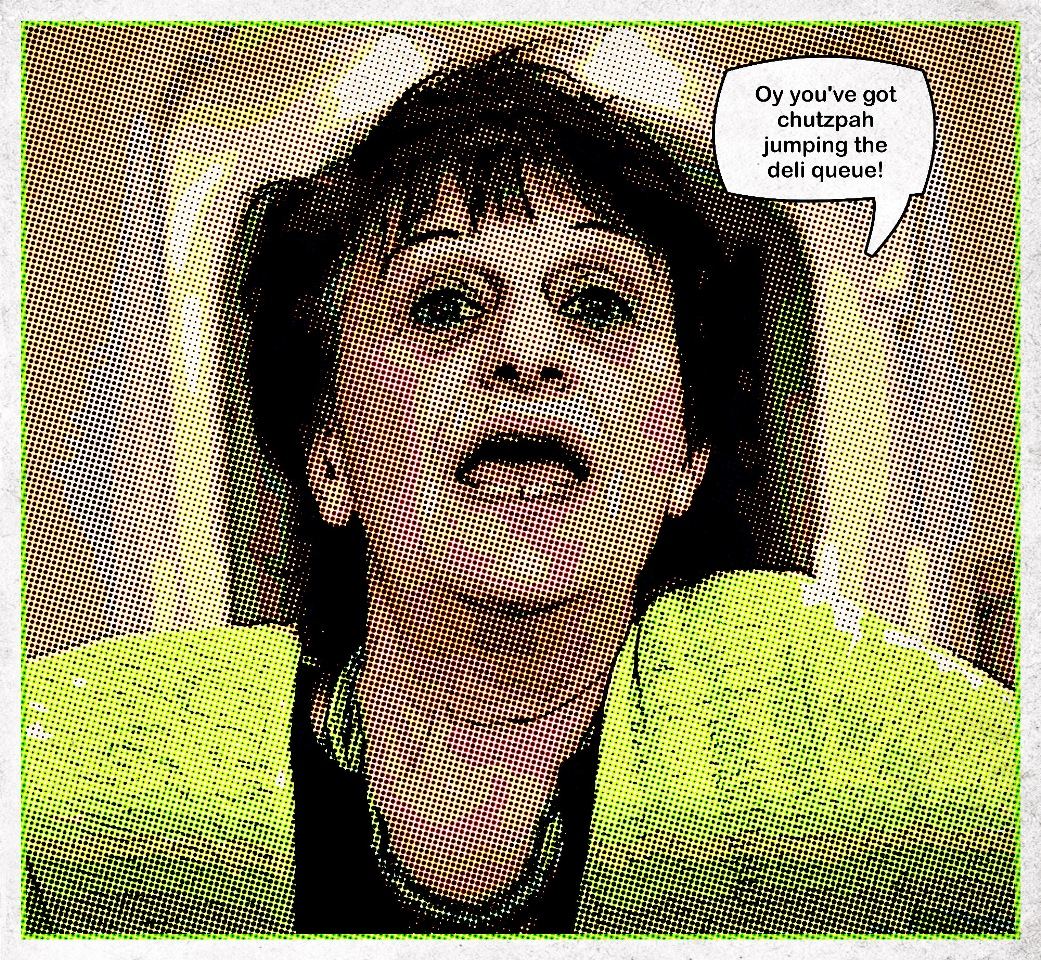
Working with the Alevai group of Jewish women, Louise led workshops, along with former Coronation Street actor, turned writer, Nigel Pivaro, to produce a graphic dictionary of Yiddish words, plus a light hearted yet poignant short film about roots and culture which had a sold-out premiere at the Manchester Jewish Museum.
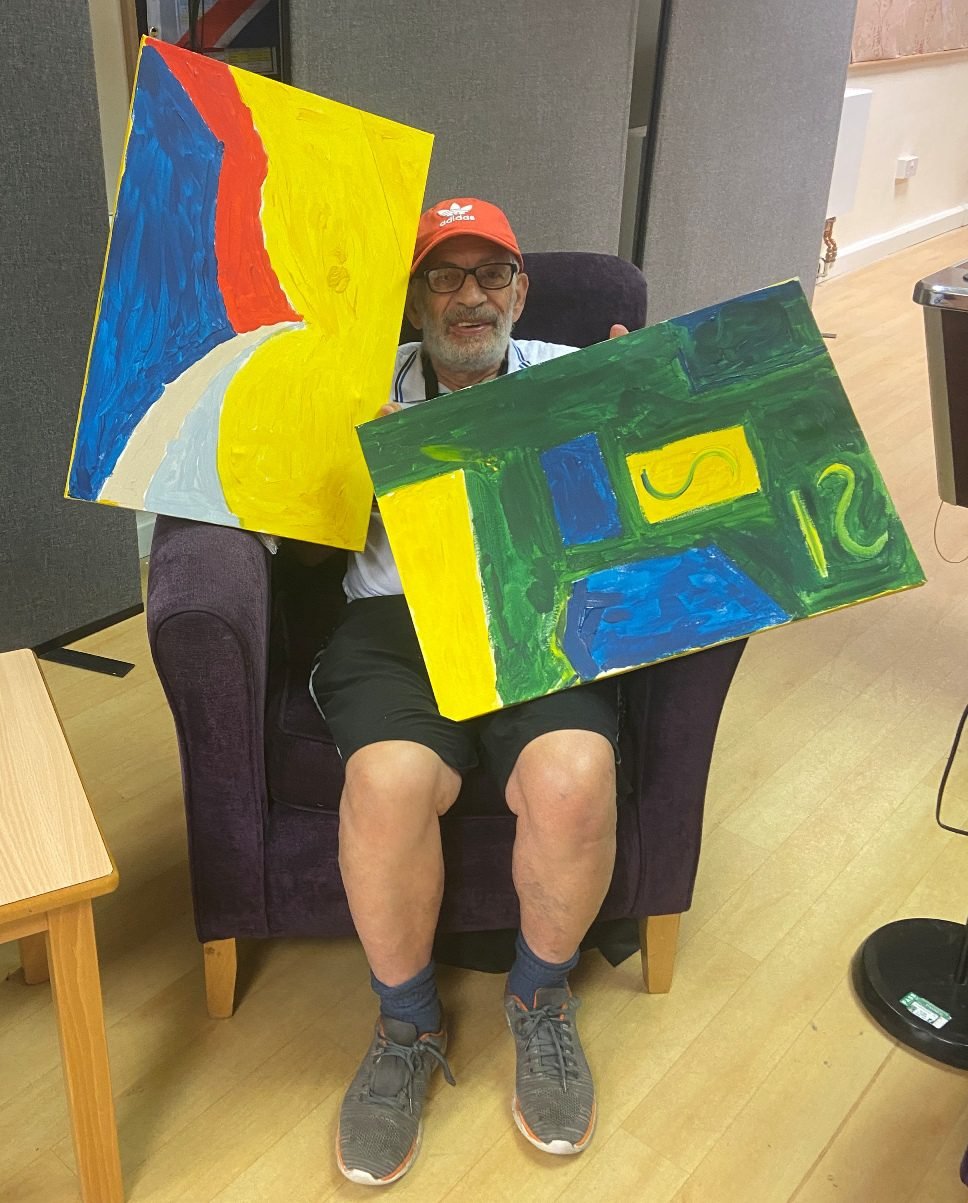
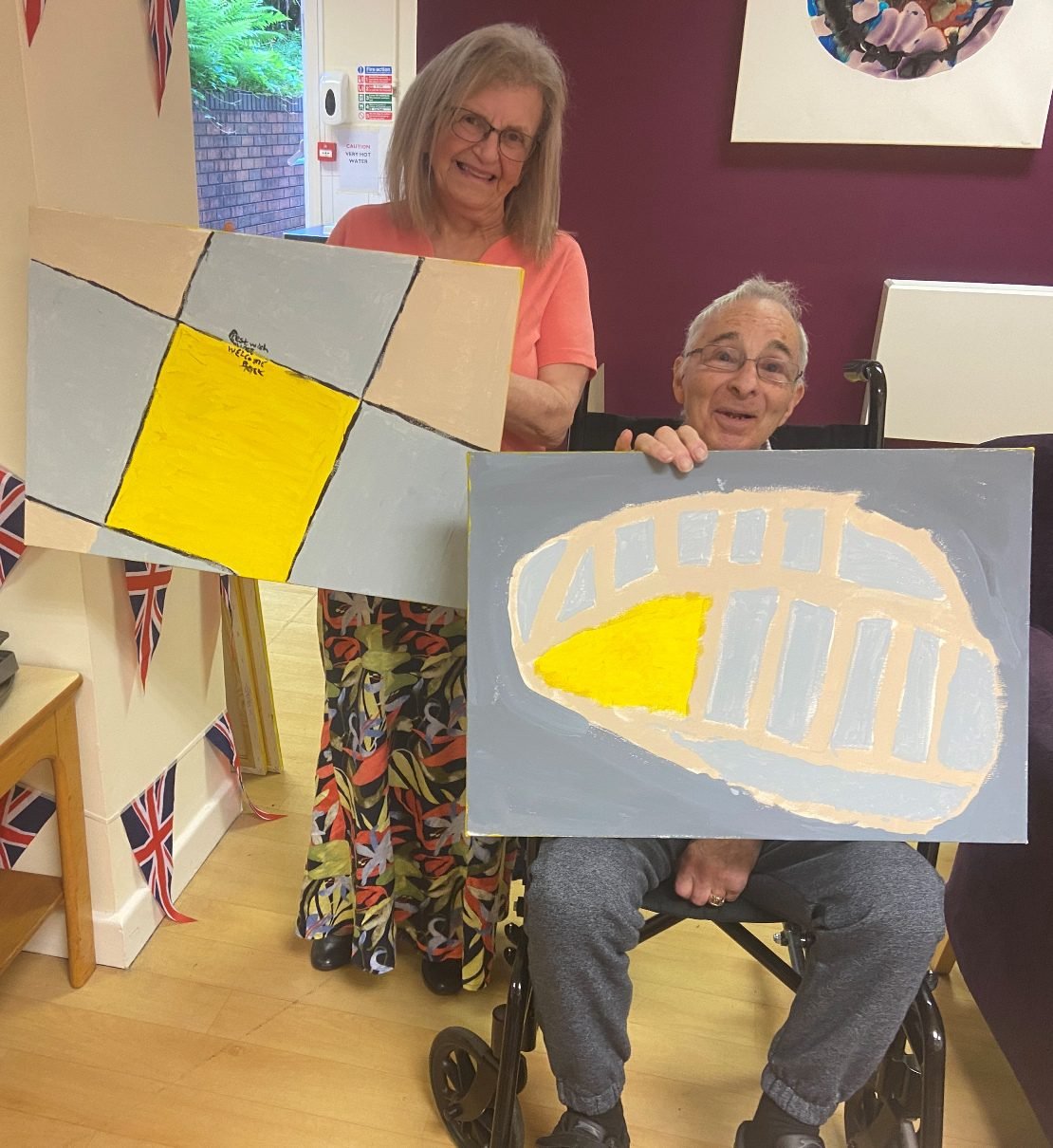
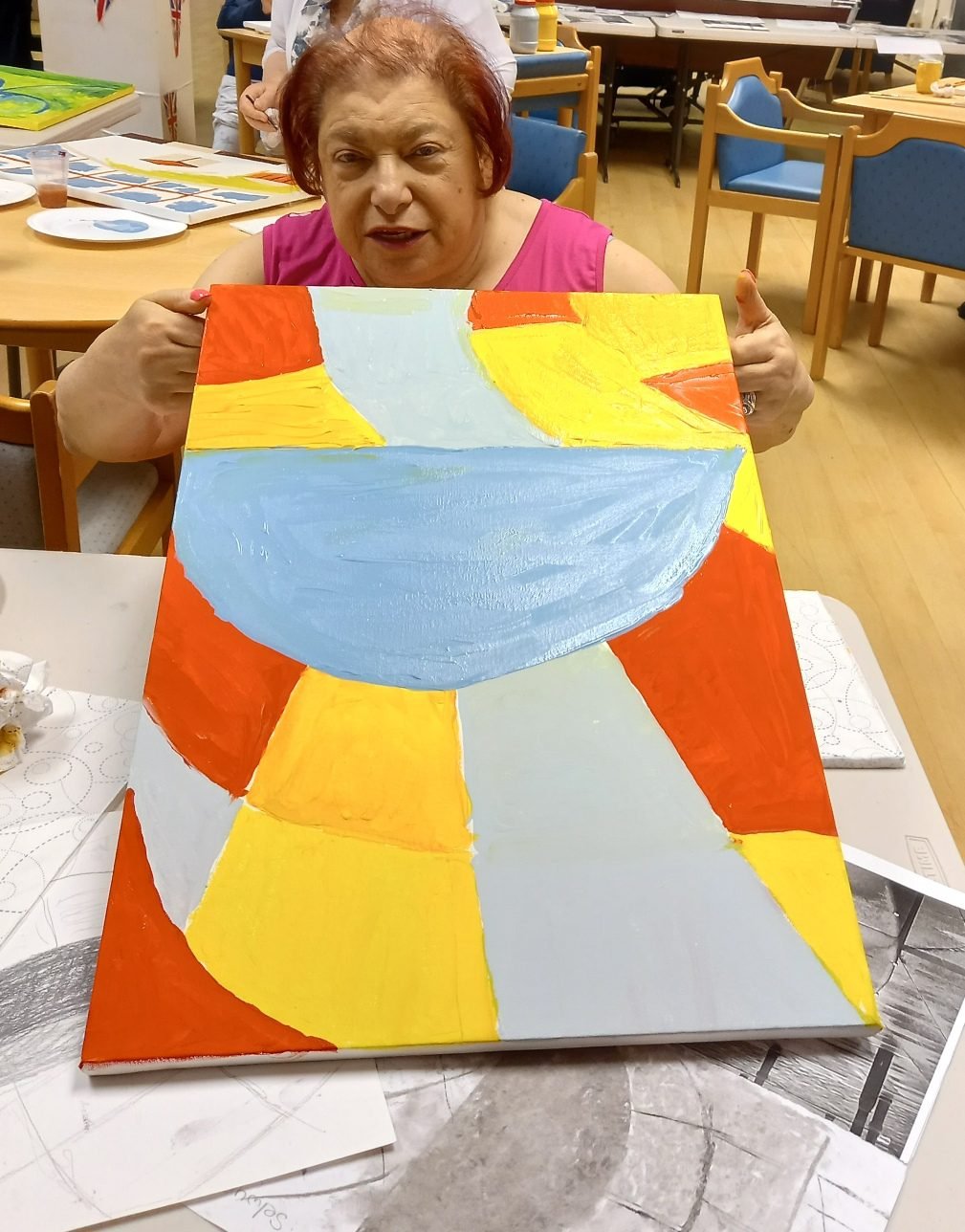
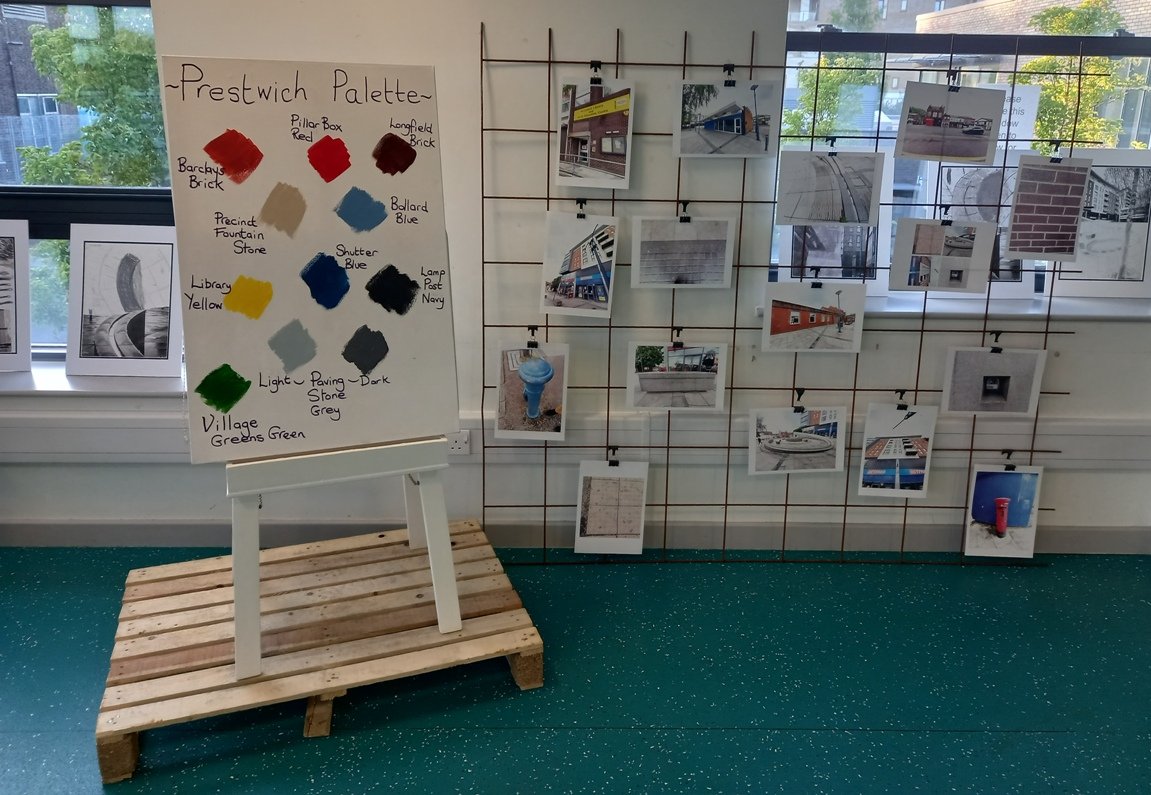
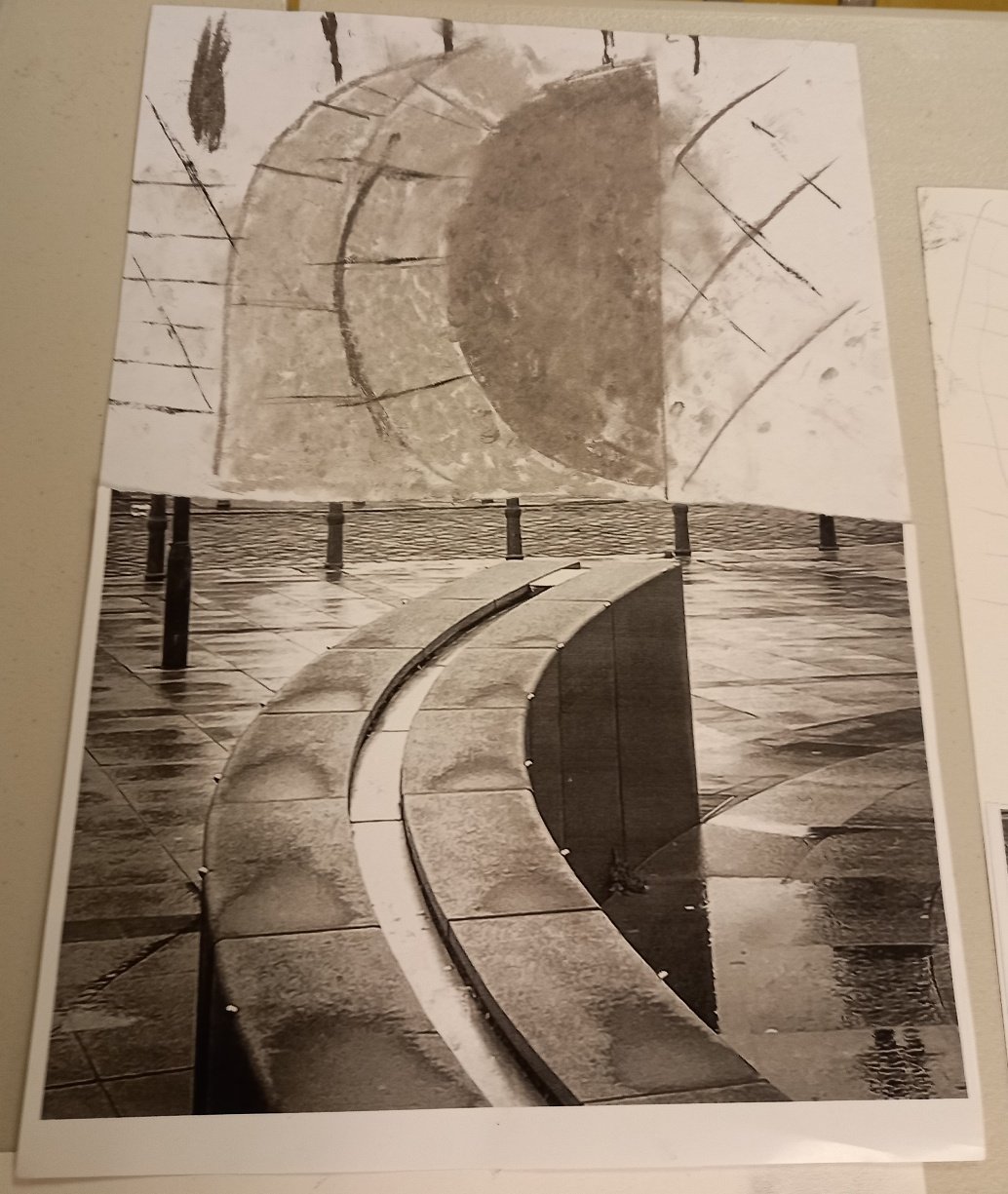
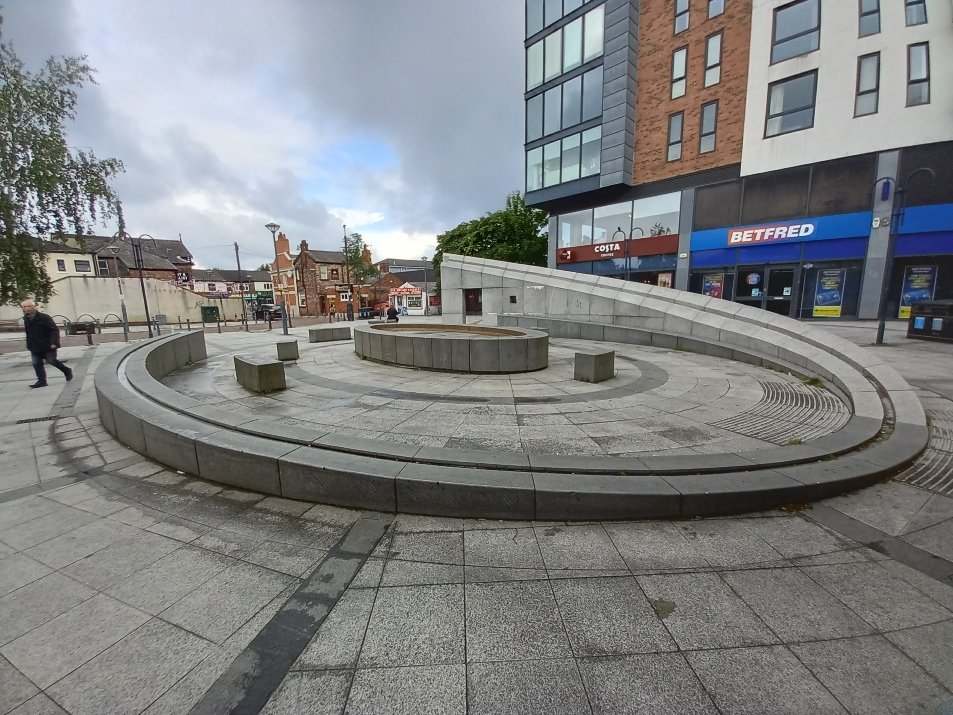
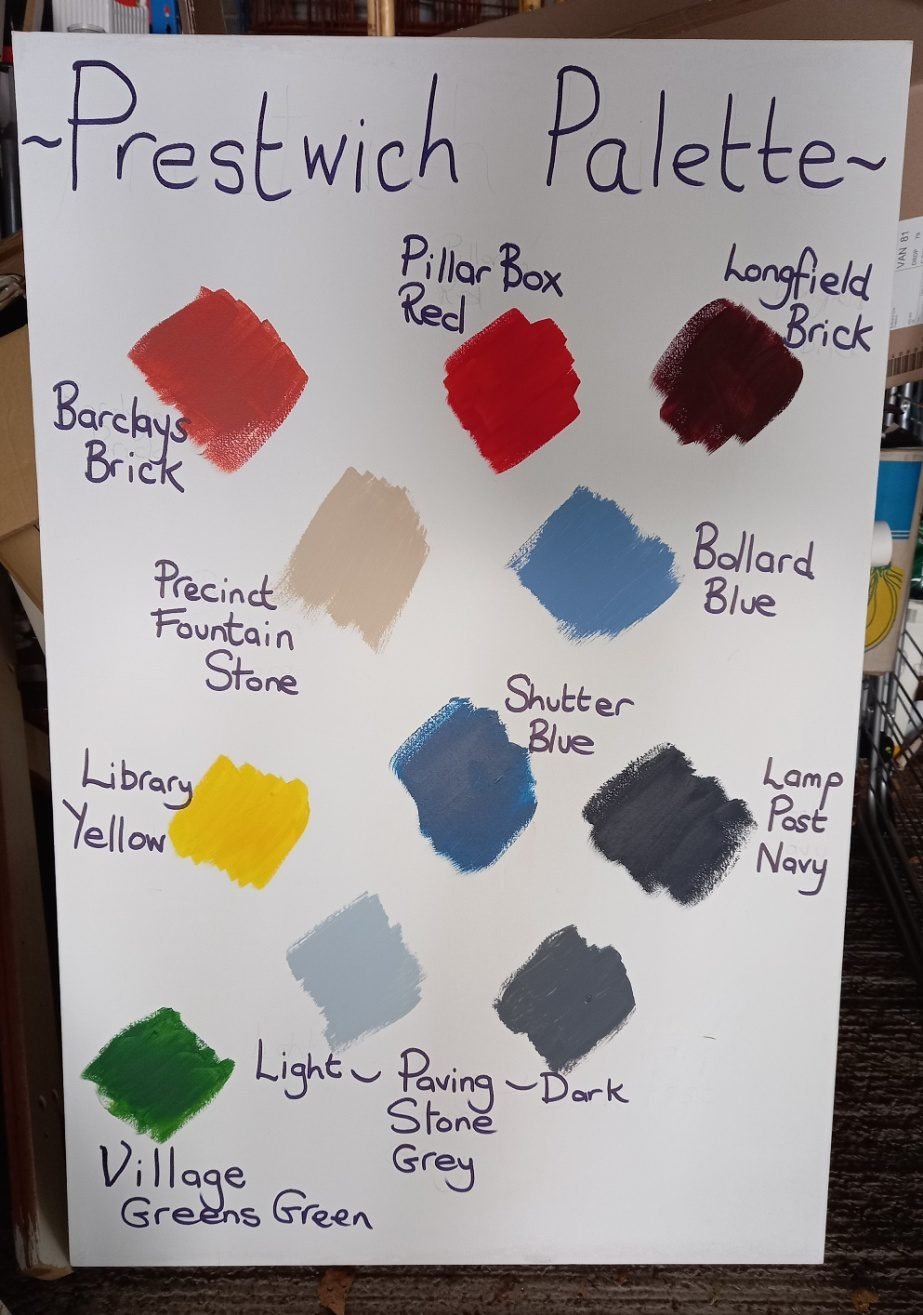
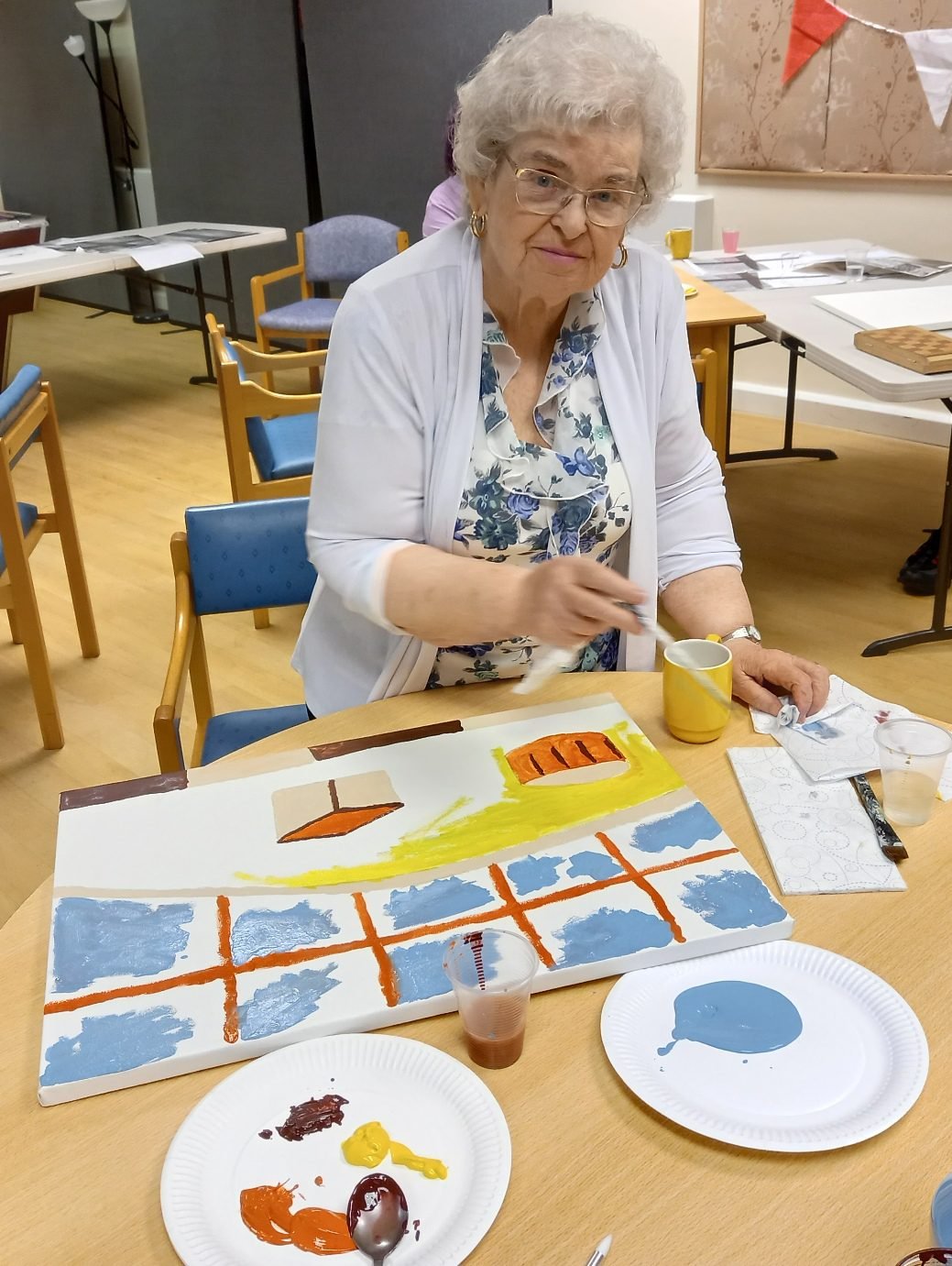
The Bury New Road Festival, which also included an exhibition of Louise’s own artwork and photographs, saw a display of art based on a response to the shapes and shades of the brutalist Prestwich Longfield Centre which was due to be demolished. The workshops, led by Louise, saw the development of a Prestwich Palette of colours which were used by The Fed Mental Wellbeing Group to create a dozen imaginative canvases, incorporating ‘Library Yellow’, ‘Bollard Blue’ and more, while the abstract patterns were based on everything from the paving, to the swirls of the Precinct’s stone fountain, to the street furniture.
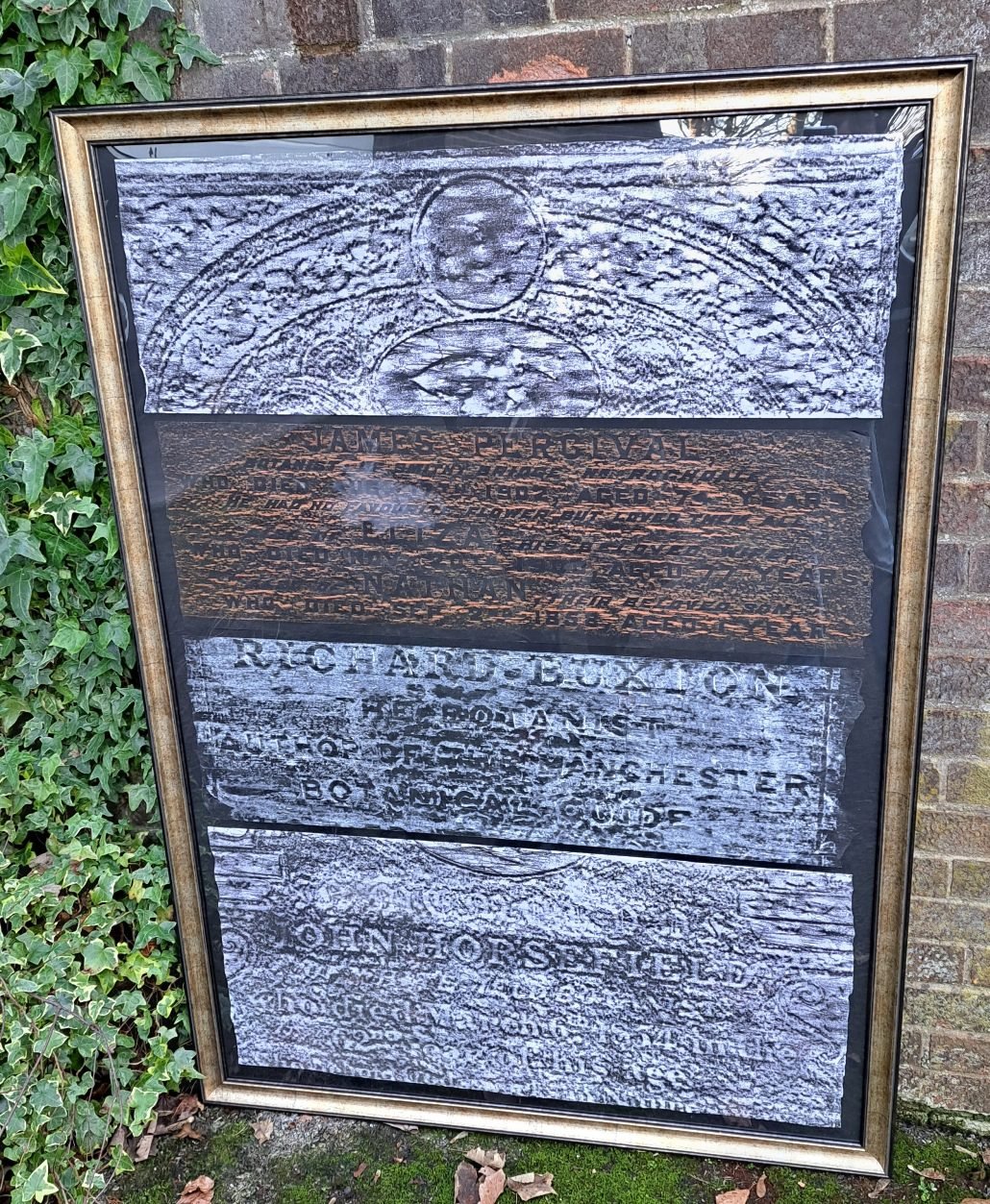
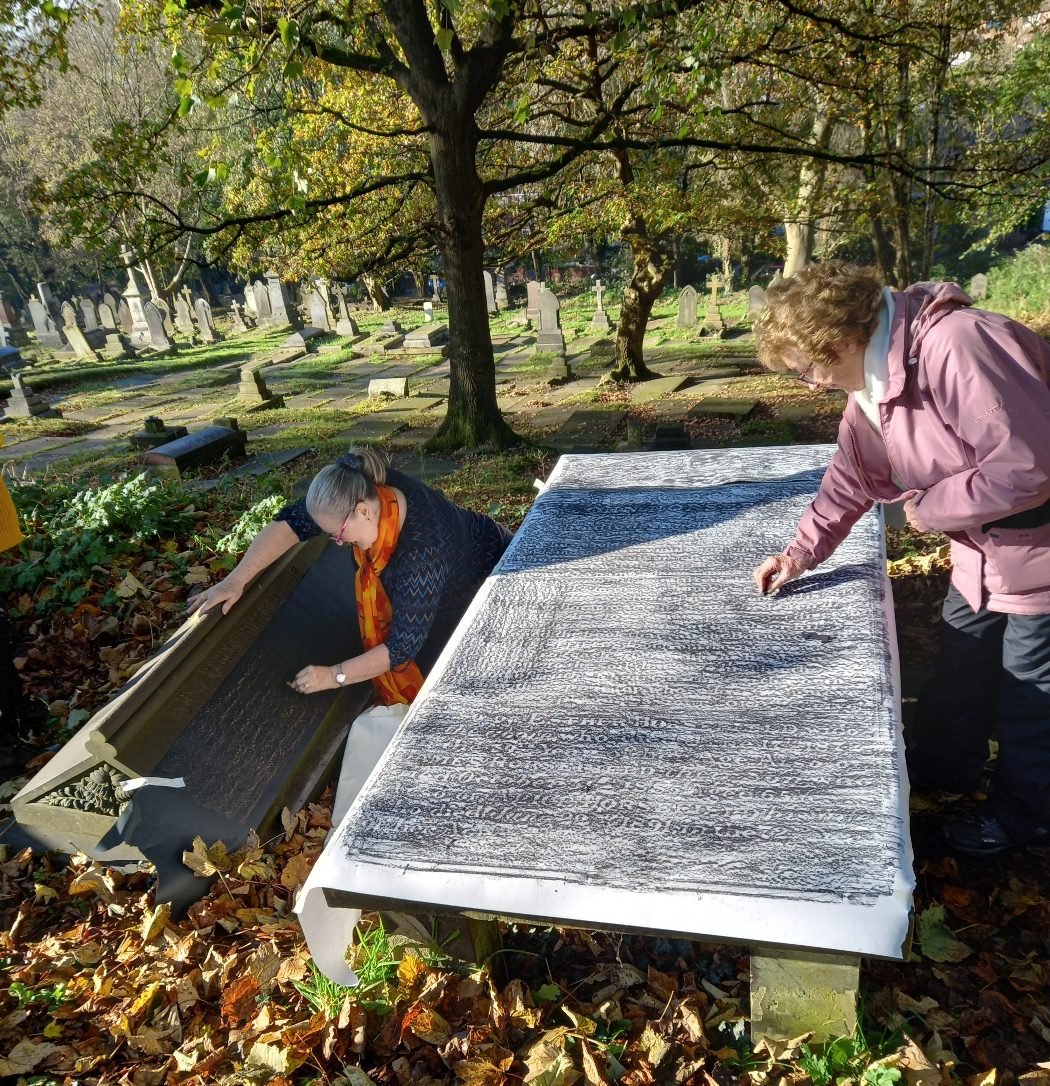
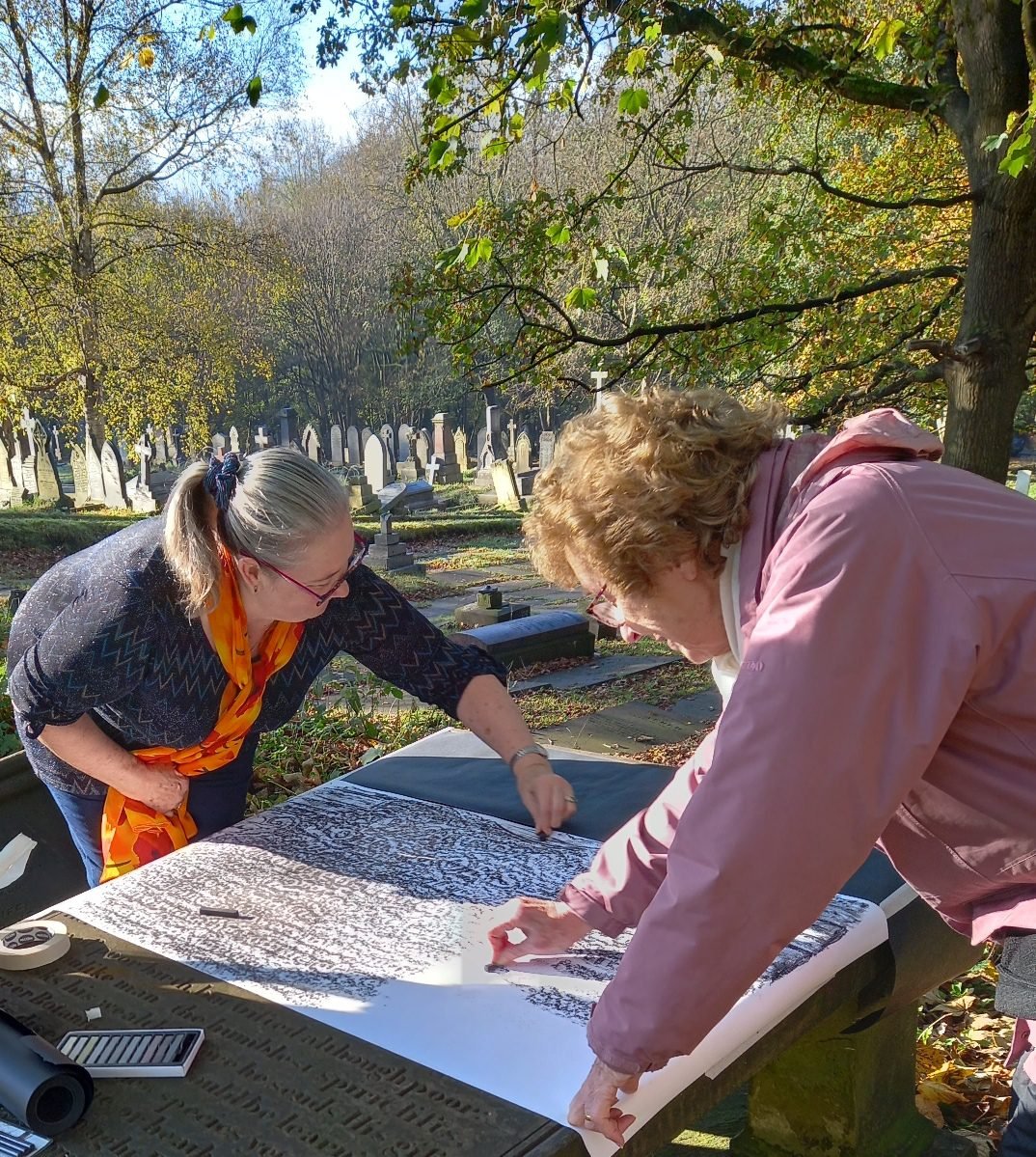
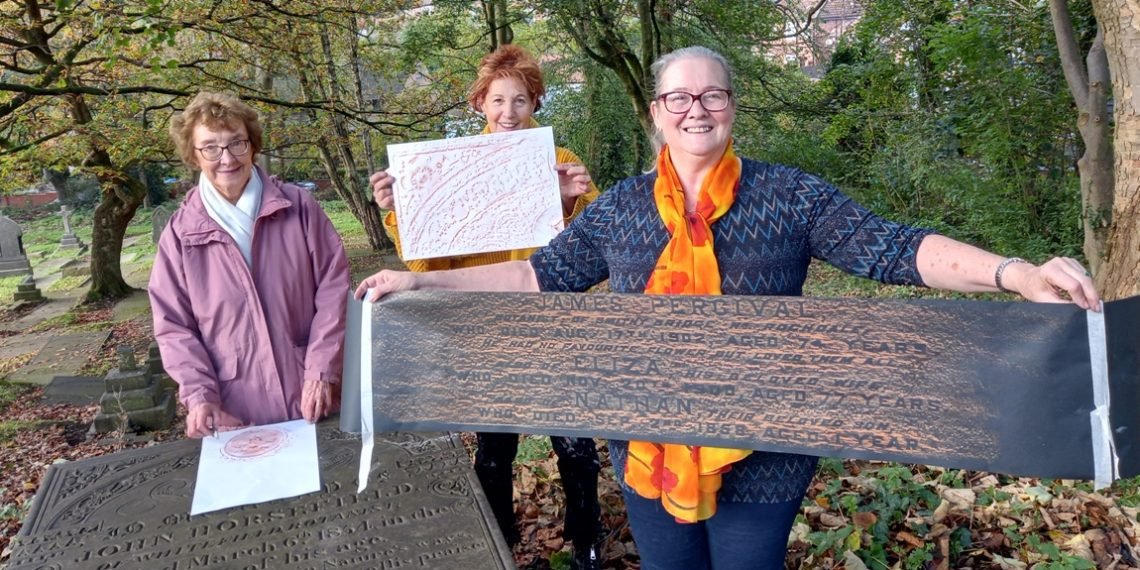
The Artisan Naturalists – Richard Buxton, John Horsefield and James Percival – were pioneering working class, self-taught botanists who met in what is now the Railway and Naturalist pub in Prestwich Village. As part of the Bury New Road project, a huge framed tribute to the Artisan Naturalists was created, as Louise led community rubbings from their impressive gravestones at St Mary’s Churchyard on Church Lane in Prestwich, which were later mounted and are on permanent exhibition at Philips Park Barn.